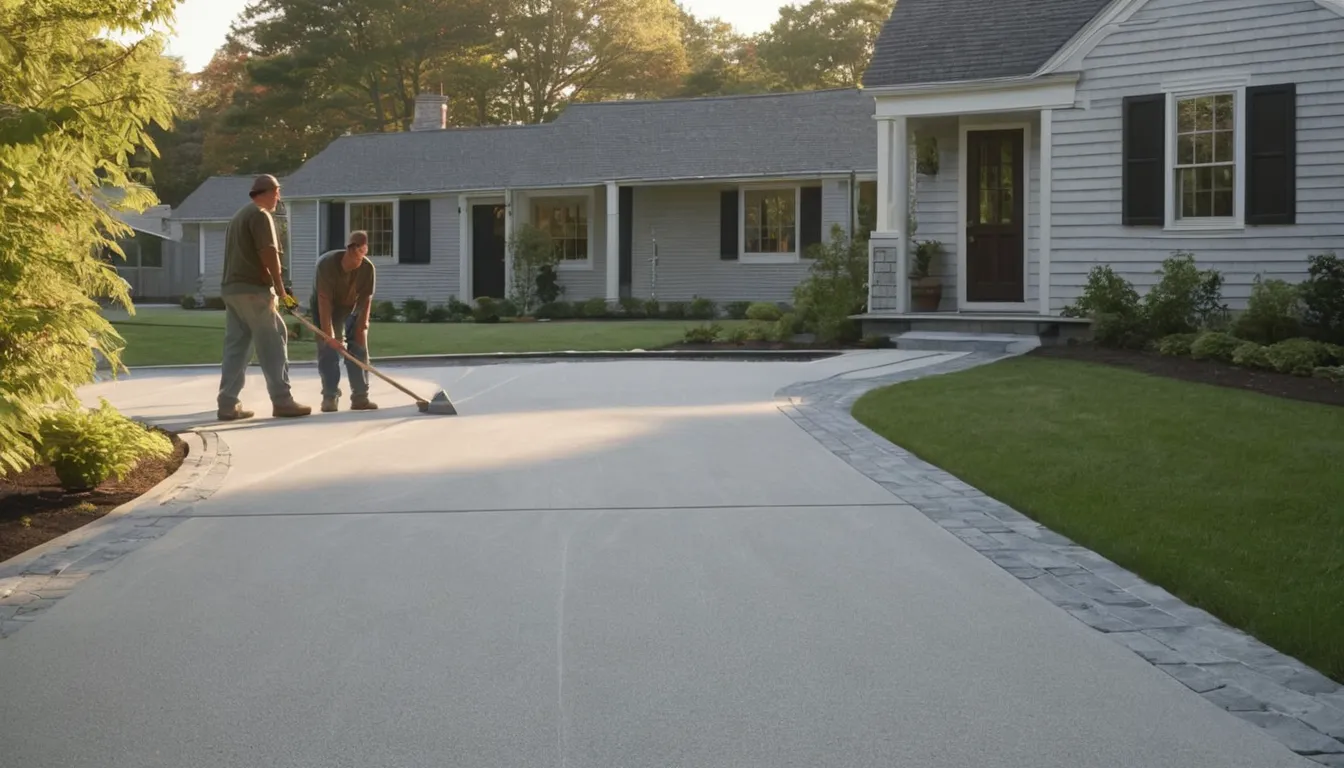
A new concrete driveway is a big job for a first-time homeowner. There are choices about size, thickness, finish and timing. There are also costs that are easy to miss, like removing the old surface or fixing the base underneath.
Majorityel Concrete is a referral service. We do not pour concrete. We connect homeowners in the Hammonton area with independent local providers who do the work. This page explains the signs, the steps and the price drivers in plain words, so you can compare written quotes with confidence and plan the project around your family's daily routine.
Is it time for a new driveway?
Most people wait until the driveway is hard to ignore. A few cracks are normal. A surface that keeps breaking apart is a different story. If you are asking this question, a quick look at the slab will usually tell you which side you are on.
Signs the slab is past patching
Look for problems that keep coming back or keep spreading:
- Wide cracks that you can fit a coin into
- Sections that sit higher or lower than their neighbors
- Flaking, crumbling or pitted top layers after winter
- Puddles that stay on the surface for days
- Slabs that tilt toward the garage or the house
Tilting toward the house is worth a second look. Water that runs toward a foundation can cause trouble inside. Ask a provider whether drainage needs attention first. If you see damp walls or gaps at the foundation, foundation repair experts may need to check that before any new concrete goes in.
When repair is enough
Concrete driveway repair can make sense when the damage is small and the base is still solid. Narrow cracks, a few chipped edges or light surface wear are often fixable. If most of the slab is broken or has sunk, patching just delays the bigger bill. Ask a provider to explain which path they would take and why.
Know the price drivers
Three things move the price most: the size, the thickness and the prep work. Removing an old driveway, fixing a weak base and dealing with a steep slope all add cost. A plain broom finish costs less than decorative work. Access matters too, because tight spots can slow the crew down.
What a new driveway project includes
A full replacement usually has several stages. Knowing them helps you read a quote.
Removal and base
The old slab is broken up and hauled away. Then the ground is shaped and a compacted gravel base is added. This layer is the quiet hero. A weak base is a common reason new slabs crack early.
Forms, steel and pour
Wood forms set the edges and the slope. Many jobs add rebar or wire mesh for strength. Then the concrete is poured, leveled and finished by hand.
Joints and finish
Control joints are cut or tooled so cracks form in neat lines instead of random ones. The surface then gets its texture, often a light broom finish that helps with grip.
Size, thickness and finish
Measure how many cars you park and where guests stop. Many first-timers regret going too narrow. A typical residential slab is about four inches thick. Heavier vehicles or delivery trucks may call for more. Ask each provider what thickness they quote and what they base it on.
A broom finish is simple and non-slip. Exposed aggregate and colored concrete cost more. Decide on the look after you understand the base price.
Built for cold, wet seasons
Winter ice, repeated frost and thaw cycles, road salt and spring snowmelt are hard on concrete. Ask providers about air-entrained mix, proper drainage and well-placed joints. Older homes may have uneven ground or tight side yards, so ask how the provider plans to handle your lot.
Permits and the street apron
The apron is the part where your driveway meets the street. Many towns have rules about its width, slope and materials. Some require a permit for any work there. Ask each provider who handles the paperwork and whether the fee is in the quote. Your local building office can confirm the rules.
Plan around daily life
A driveway is out of use for a while. Plan where cars will park, how deliveries will arrive and when the kids need to get to school. Ask for a clear schedule. Good planning keeps the disruption low for a busy household.
Compare written quotes
Get at least two or three written quotes for the same scope. Put them side by side. A much lower number often means something was left out. A clear quote lists the size, thickness, base, steel, finish, removal and cleanup.
Questions to ask each provider
- Is the old driveway removal included?
- How deep is the gravel base?
- What happens if the ground is softer than expected?
- Who handles permits?
- How long until I can walk and drive on it?
After the pour
Fresh concrete needs patience. Rushing it is how early damage happens.
Curing and first weeks
Keep foot traffic off at first. Cars usually wait longer, and your provider will give a timeline. Keep pets, bikes and sprinklers away until the surface hardens. Mild weather helps the slab cure evenly.
Sealing and winter care
Ask if sealing is right for your new slab and when to apply it. Be careful with de-icing salts in the first winter. Use a plastic shovel, not a metal blade, to protect the surface.
What's Included
Old Surface Removal
Breaking up and hauling away the worn driveway so the new slab starts on clean ground.
Base and Grading
Compacted gravel and a planned slope help water run off and support the slab.
Forms and Reinforcement
Edge forms and steel add shape and strength before the concrete is poured.
Finish and Joints
A grip-friendly texture and cut joints keep the surface neat and manageable.
Typical Concrete Driveway Cost Ranges
These are typical U.S. ranges. Your price depends on size, site access, base condition and finish, so always ask for a written quote.
| Item | Typical range | Notes |
|---|---|---|
| Basic broom-finish driveway (per sq ft) | $6 – $12 | Standard thickness, simple shape, easy access |
| Typical two-car driveway total | $4,000 – $9,000 | Varies a lot with size and local rates |
| Old slab removal and hauling | $1 – $3 per sq ft | Thicker or reinforced concrete costs more |
| Base repair or extra gravel | $500 – $2,500 | Depends on how soft or uneven the ground is |
| Decorative finish upgrade (per sq ft) | $3 – $10 more | Color, exposed aggregate or patterns |
| Permit and apron work | $100 – $1,500 | Rules and fees differ by town |
How It Works
Look at your slab
Note cracks, sinking, flaking and drainage problems so you can describe the situation clearly.
Call or request an estimate
Request a callback to check provider availability, or use the request form to get started.
Compare written quotes
Check size, thickness, base, removal and finish line by line before choosing.
Plan the work schedule
Agree on dates, parking and access so the project fits your daily routine.
Why Call Majorityel Concrete
Know the price drivers
We explain what pushes a driveway quote up or down, so the numbers make sense before you decide.
Fair comparisons
We encourage you to compare written quotes side by side, using the same size, thickness and scope.
Local providers
We connect you with independent providers in the area who know the climate, soil and local rules.
Plain answers
Simple language and no pressure, so a first-timer can ask questions and take time to decide.
Other Services
Need concrete driveways in Hammonton?
- Plain-English help for first-time buyers
- Compare written quotes
- Plans that fit busy households
- Independent local providers
Concrete Driveways FAQ
- How much does a new concrete driveway cost?
- Typical U.S. prices run from about $6 to $12 per square foot for a basic finish. Removal, base work, permits and decorative options add to that. Ask for a written quote to see your actual number.
- How long does a concrete driveway take to cure?
- People can usually walk on it within a day or two. Cars often wait about a week, and full strength takes around a month. Your provider will give a timeline for your mix and the weather.
- Should I repair my concrete driveway or replace it?
- Small cracks and light surface wear can often be repaired. If the slab is sinking, broken in many places or sloping toward the house, replacement may be wiser. Ask a provider to explain the options.
Reach a local provider
Planning a driveway, patio or stamped surface? Request a callback or send a request, and a local provider in our network can follow up.
No obligation